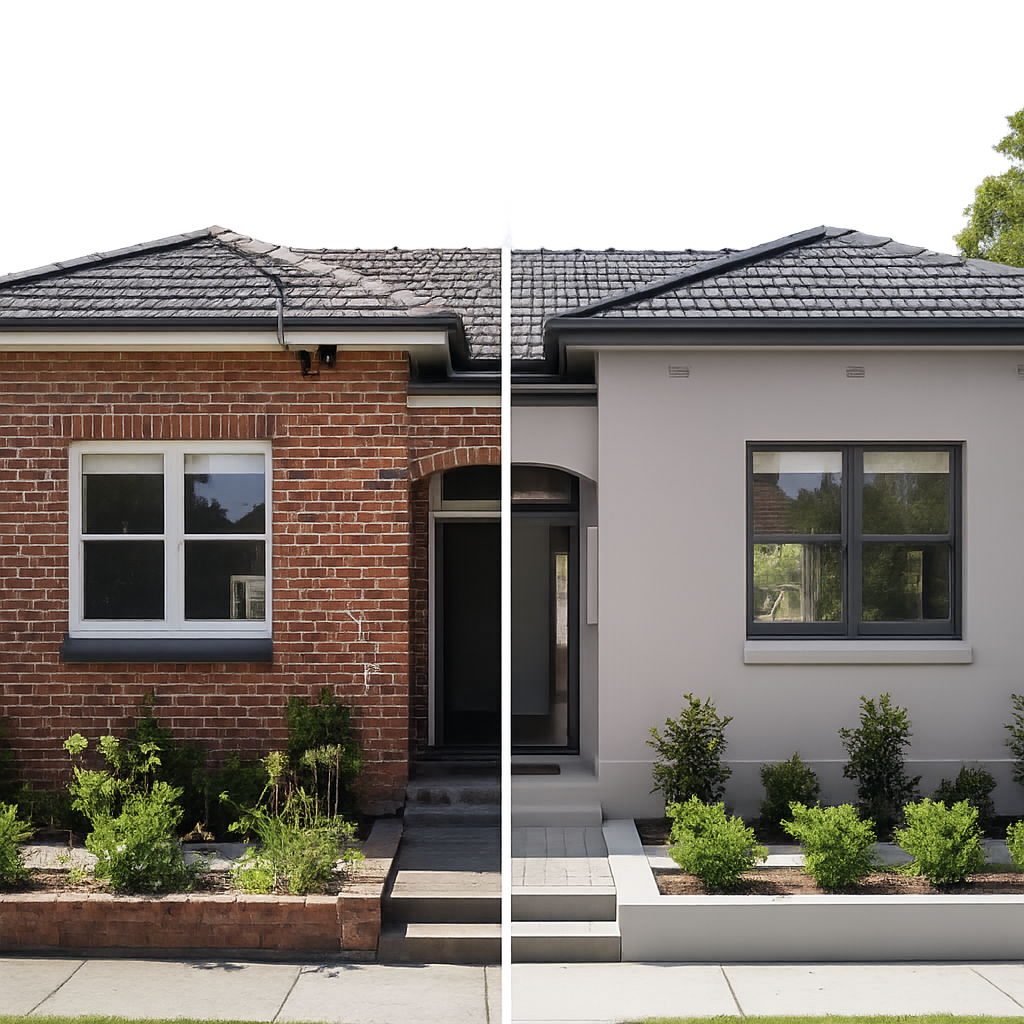

Haberfield is one of Sydney’s most treasured heritage suburbs. Known for its beautiful Federation homes, historic streetscapes, and timeless architectural charm, it remains one of the few places where original brickwork still plays a defining role in the identity of entire neighborhoods. Walking through Haberfield, it’s easy to see why homeowners are passionate about preserving the unique character of their properties.
However, preserving heritage brickwork requires a careful balance. While aging brick structures often need repairs and restoration to remain safe and structurally sound, aggressive renovation methods can strip away the very character that makes these homes special. Over the years, I have worked on numerous heritage brick restoration projects throughout Haberfield, and one principle always guides my approach: restore the structure while preserving its original identity.
Heritage brick restoration is not simply about replacing old materials. It is about understanding traditional building techniques, respecting architectural history, and using modern masonry repair methods that strengthen the structure without compromising its appearance.
For homeowners in Haberfield, investing in professional brick restoration is one of the most effective ways to protect both the value and historical significance of their homes.
Why Heritage Brickwork Deserves Special Attention
Unlike modern brick construction, heritage brickwork was often created using materials and techniques that are no longer commonly used today.
Many older homes feature:
- Hand-pressed bricks
- Traditional lime-based mortars
- Decorative brick patterns
- Detailed masonry craftsmanship
- Custom chimney designs
- Historic stone features
These elements contribute significantly to the character of the property.
When repairs are needed, preserving these details becomes just as important as fixing the structural issues themselves.
Unfortunately, inappropriate restoration methods can permanently alter a home’s appearance and diminish its heritage value.
Understanding the Challenges of Heritage Brick Restoration
Every heritage property presents unique challenges.
Unlike modern construction, older homes have often experienced decades of:
- Weather exposure
- Foundation movement
- Moisture intrusion
- Structural settlement
- Previous repair attempts
As a result, restoration projects require a thorough understanding of both the building’s history and its current condition.
The goal is never to make a heritage home look brand new.
Instead, the goal is to preserve its authenticity while improving its structural performance.
My First Step: A Comprehensive Masonry Assessment
Before beginning any restoration work, I perform a detailed assessment of the brickwork.
This inspection helps identify:
- Structural cracks
- Mortar deterioration
- Water damage
- Previous repair issues
- Chimney deterioration
- Brick movement
- Foundation-related concerns
Understanding the root cause of the damage is critical.
Simply repairing visible symptoms without addressing underlying issues often leads to recurring problems.
A thorough assessment allows me to develop a restoration strategy that protects both the structure and its heritage character.
Preserving Original Bricks Whenever Possible
One of the most important principles I follow is preserving original materials whenever practical.
Many heritage bricks have unique characteristics that cannot be replicated by modern products.
These may include:
- Variations in color
- Handmade textures
- Historical manufacturing marks
- Irregular dimensions
Replacing large sections of original brickwork can dramatically alter a home’s appearance.
Whenever possible, I focus on repairing and stabilizing existing bricks rather than replacing them.
Only severely damaged bricks that can no longer perform structurally are considered for replacement.
Matching Heritage Bricks When Replacement Is Necessary
Sometimes replacement cannot be avoided.
When this occurs, finding compatible materials becomes essential.
I carefully source bricks that closely match the original in:
- Color
- Texture
- Size
- Density
- Appearance
The goal is to ensure the repair blends seamlessly with the surrounding structure.
Poorly matched bricks often stand out immediately and can significantly impact the visual integrity of a heritage property.
The Importance of Traditional Mortar Matching
Mortar plays a much larger role in heritage restoration than many homeowners realize.
Older homes often used lime-based mortars that differ significantly from modern cement mortars.
Using the wrong mortar can cause:
- Brick damage
- Moisture retention
- Cracking
- Structural stress
When restoring heritage brickwork, I carefully analyze the existing mortar and create a compatible replacement.
This process helps preserve both appearance and performance.
Proper mortar matching is one of the most important aspects of successful heritage restoration.
Repointing Without Compromising Character
Repointing is one of the most common masonry repair services required in older homes.
Over time, mortar joints naturally deteriorate due to weather exposure and age.
The repointing process involves:
- Removing damaged mortar
- Cleaning the joints
- Installing new mortar
- Matching original joint profiles
The key is maintaining the original appearance.
Poor repointing techniques can make a heritage home appear artificially modern.
Careful workmanship ensures the restored brickwork retains its authentic character.
How I Handle Cracked Heritage Brick Walls
Cracks are common in older masonry structures.
Many homeowners become concerned when they notice:
- Stair-step cracks
- Vertical cracks
- Separation around windows
- Movement near chimneys
While some cracks are relatively minor, others indicate structural movement.
The challenge is repairing these issues without unnecessarily removing original materials.
This is where modern restoration techniques become invaluable.
Why Brick Stitching Is Often the Ideal Solution
One of the most effective methods for repairing heritage brickwork is brick stitching.
Brick stitching involves installing stainless steel reinforcement rods within the mortar joints.
Benefits include:
- Preserving original brickwork
- Stabilizing structural cracks
- Minimizing demolition
- Preventing future movement
Because the reinforcement is concealed within the masonry, the appearance of the wall remains virtually unchanged.
For heritage homes throughout Haberfield, brick stitching often provides the perfect balance between structural repair and historical preservation.
Chimney Restoration and Heritage Preservation
Many heritage homes feature original brick chimneys that contribute significantly to their character.
Unfortunately, chimneys are also among the most vulnerable masonry structures due to constant exposure to:
- Rain
- Wind
- Heat
- Moisture
Common chimney issues include:
- Cracked bricks
- Deteriorating mortar
- Leaning structures
- Water penetration
Professional chimney repair and restoration allows these features to remain both safe and visually authentic.
Whenever possible, I preserve original chimney details while strengthening the structure.
Managing Moisture Without Altering Appearance
Water is one of the greatest threats to heritage brickwork.
Moisture can cause:
- Mortar deterioration
- Brick spalling
- Efflorescence
- Structural weakening
However, moisture protection must be approached carefully.
Aggressive waterproof coatings can trap moisture inside the masonry and damage older bricks.
Instead, I focus on:
- Improving drainage
- Addressing flashing issues
- Repairing mortar joints
- Using breathable protective treatments
This approach helps preserve the long-term health of the brickwork.
Restoring Heritage Stone Features
Many Haberfield homes also incorporate stone work into their design.
Common examples include:
- Stone facades
- Garden walls
- Retaining walls
- Decorative architectural details
Like brickwork, stone features require specialized restoration techniques.
I carefully clean, repair, and stabilize stone structures while preserving their original appearance and craftsmanship.
Retaining Walls and Heritage Landscapes
Heritage properties often feature original retaining walls that contribute to the overall character of the landscape.
Over time, these walls may experience:
- Structural movement
- Drainage problems
- Cracking
- Material deterioration
Rather than replacing them entirely, I focus on preserving existing materials and restoring structural performance wherever possible.
This approach maintains continuity between the home and its surrounding landscape.
Why Heritage Restoration Adds Property Value
Many homeowners initially pursue restoration to address structural concerns.
However, preserving heritage features often provides additional benefits.
Professionally restored heritage brickwork can contribute to:
- Increased property value
- Enhanced curb appeal
- Greater buyer confidence
- Long-term durability
- Preservation of architectural character
In a sought-after suburb like Haberfield, maintaining original features can significantly impact market appeal.
The Difference Between Restoration and Renovation
One of the biggest misconceptions I encounter is the belief that restoration and renovation are the same thing.
They are not.
Renovation often focuses on updating or modernizing a property.
Restoration focuses on preserving and repairing original features.
For heritage homes, restoration typically delivers better long-term outcomes because it respects the architectural integrity of the building.
Why Professional Masonry Services Matter
Heritage brick restoration requires specialized knowledge and experience.
Professional masonry services help ensure:
- Appropriate materials are used
- Structural issues are properly diagnosed
- Original features are preserved
- Repairs remain visually consistent
- Long-term durability is achieved
Without the right approach, well-intentioned repairs can unintentionally damage the property’s character.
Frequently Asked Questions
What is heritage brick restoration?
Heritage brick restoration involves repairing and preserving original brickwork while maintaining the building’s historical character.
Why is mortar matching important?
Proper mortar matching helps protect original bricks and maintain the property’s authentic appearance.
Can cracked heritage walls be repaired without rebuilding them?
Yes. Brick stitching often provides an effective solution while preserving existing brickwork.
Is brick stitching suitable for heritage homes?
Absolutely. It reinforces the structure while remaining virtually invisible after installation.
Should old bricks always be replaced?
No. Whenever possible, original bricks should be preserved and repaired.
Can heritage chimneys be restored?
Yes. Many original chimneys can be repaired and reinforced while maintaining their historic appearance.
Does heritage restoration increase property value?
Professionally restored heritage features often enhance both property value and buyer appeal.
How long does heritage brick restoration last?
When completed correctly, restoration work can provide decades of structural performance.
Conclusion
Restoring heritage brickwork in Haberfield is about much more than repairing damaged masonry. It is about preserving the architectural character, craftsmanship, and history that make these homes unique. Through careful assessment, compatible materials, traditional techniques, and modern solutions like brick stitching, it is possible to strengthen aging structures while maintaining their original appearance.
From repointing mortar joints and repairing cracked brick walls to restoring chimneys, retaining walls, and stone features, professional heritage restoration helps ensure that these remarkable homes continue to stand proudly for generations to come. For homeowners who value both structural integrity and historical authenticity, preserving original character remains the foundation of every successful restoration project.